Detroit City Council Member Gabriela Santiago-Romero told her colleagues Monday that young people in the city’s downtown core are being overpoliced and underserved, and she’s got a concrete proposal for fixing at least part of that.
The comments came during the council’s Public Health and Safety subcommittee meeting, triggered by a wave of public testimony about what happened over Tigers Opening Day weekend. Some of the young people who flooded downtown that weekend got detained by officers. Santiago-Romero didn’t mince words about what she thinks that reflects.
“Because, let’s be honest, downtown does become a place for adults to come and drink but we need to have a welcoming place and inviting space for youth as well,” she said.
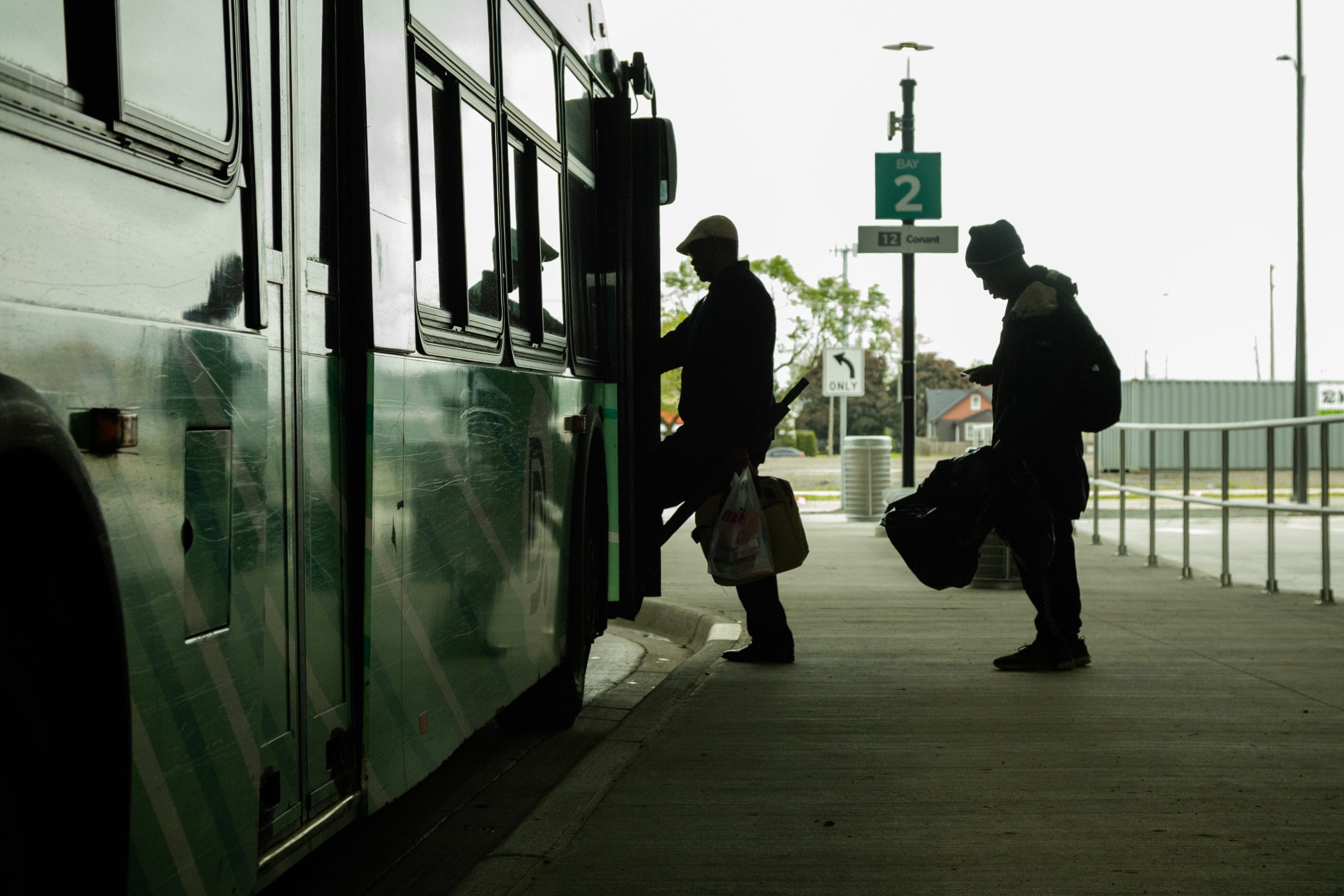
She’s not wrong to push on this right now. The city just launched a program called Ride to Rise, which gives Detroit students ages 5 to 18 free Detroit Department of Transportation bus rides, any day of the week, any hour. Public, private, and charter school students all qualify. Show a school ID, get on the bus. That’s the whole transaction.
The stated goal is better school attendance and access to afterschool programming. But think about what Ride to Rise actually does come July and August, when kids don’t have homework and do have 14-hour days to fill. More young people will be able to move around Detroit than ever before. That’s genuinely good. The problem Santiago-Romero put on the table Monday is that downtown doesn’t seem to know what to do with them when they arrive.
Campus Martius is the obvious case study. Santiago-Romero named it directly, saying it’s “essentially roped off” for anyone under 21. That’s not much of an exaggeration. The park’s entire identity at this point is bars, pop-up beer gardens, and alcohol-forward events. Nothing about the place signals that a 16-year-old is wanted there.
Her answer is Hart Plaza. The riverfront plaza sits on the Detroit River, runs roughly 14 acres, and already handles major events without breaking a sweat. The infrastructure’s there. What it doesn’t have is intentional programming built around younger residents rather than an afterthought for them.
“That usually is not a space that is as active as I believe it could be,” she said.
That’s a real critique. Hart Plaza draws crowds when someone books it. The rest of the time, it’s mostly empty asphalt and good views. Santiago-Romero’s point is that this is exactly the kind of large, accessible, free space that could anchor youth programming downtown, if anyone actually committed to building it.
She also pushed for deescalation training, and she was careful about who she meant. Not just young people. “For all of us,” she said. That matters, because the conversation could easily slide into treating teenagers as the problem to be managed rather than residents who deserve to use the city they live in.
The transit piece got support from Michael Cunningham, a Detroit transit ambassador who spoke in favor of Ride to Rise during the public comment period. His endorsement came with a caveat, though. BridgeDetroit has covered the broader debate around whether downtown has enough welcoming space for young people, and Cunningham’s comments fit into that same worry.
“I’m not saying our youth are bad, but some of them have no respect for elders at all like we did,” Cunningham said.
It’s a complicated thing to say in support of expanding youth access, but it reflects what you hear from a lot of Detroiters who care about young people and also worry about what happens without structure or supervision. The point isn’t that kids can’t be trusted. The point is that trust gets built when there’s actually somewhere to go.
Santiago-Romero said she wants wrap-around services for youth on the table soon. Once budget talks wind down, she’s planning to bring Mayor Mary Sheffield’s administration before the subcommittee, with the city’s dedicated youth liaison specifically asked to present. She wants to hear what the summer plan actually looks like before summer gets here.
The Ride to Rise program currently serves students ages 5 through 18. It’s already running. Downtown’s answer to what those riders do when they arrive hasn’t caught up yet.