More than 650 sites across Detroit are now being tested for soil contamination tied to the toxic fill dirt scandal that surfaced in the closing weeks of former Mayor Mike Duggan’s administration. That number keeps climbing.
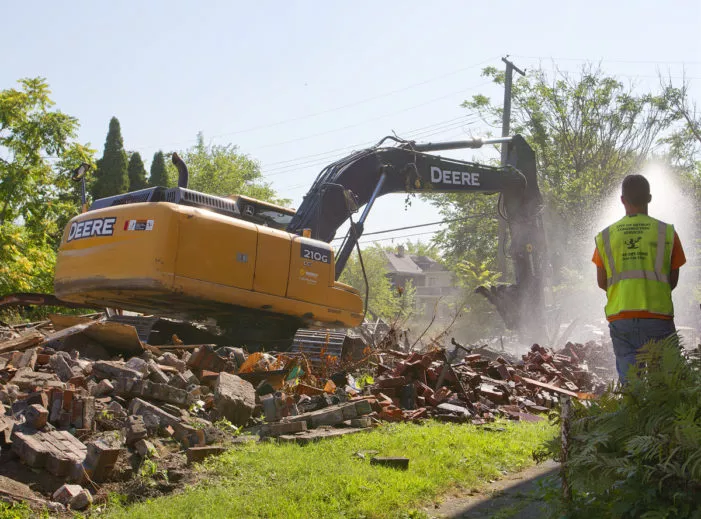
The scandal centers on fill dirt used in the city’s large-scale demolition program, a signature Duggan initiative that used federal money to knock down thousands of blighted structures. After demolition, fill dirt was brought in to level the sites. That dirt is now suspected of spreading contaminated soil into residential yards, vacant lots, and other properties scattered across the city. Mayor Sheffield’s administration inherited the cleanup, and it’s consuming city resources and staff time at a scale Detroit can’t easily absorb.
“We’re committed to testing every site and being straight with residents about what we find,” a city spokesperson said, describing the administration’s approach to the investigation.
Duggan is out campaigning for governor across Michigan while the city he ran for years sorts through the damage. That context isn’t incidental. The demolition program was central to his political brand, and the dirt scandal runs straight through it. Questions about contracting decisions, oversight failures, and what city officials knew before public disclosure have attached themselves to his campaign like a weight. Lansing won’t make those questions disappear.
Who’s Paying for This
Detroit is spending millions on testing and remediation, according to Metro Times. That’s millions from a city that’s been managing its budget on a short leash since emerging from bankruptcy. The current testing effort alone represents a serious financial drain, and remediation hasn’t even reached full swing across all 650-plus sites. Paying for the fallout of a previous administration’s program isn’t something Sheffield can pass off or delay. Residents are waiting on answers now.
The Michigan Department of Environment, Great Lakes, and Energy has standing authority over contaminated site investigations statewide, though Detroit is running the operational lead on this one. That divide between city and state responsibility has added layers of complexity to an already sprawling investigation.
What Neighborhoods Are Dealing With
This isn’t abstract. On Detroit’s east side, in neighborhoods that saw the heaviest demolition activity, residents have been growing food in their yards, letting kids run in their backyards, and sitting on porches without any indication that the ground beneath them might be compromised. Contaminated soil doesn’t announce itself.
Detroit’s environmental burden didn’t start with this scandal. The city carries decades of industrial pollution, lead paint exposure, and proximity to facilities that wealthier communities fought off successfully. The Agency for Toxic Substances and Disease Registry has documented how repeated environmental stressors compound health outcomes over time in communities that can’t recover between incidents. This is one more stressor layered onto places that don’t have the luxury of absorbing it quietly.
What makes this particularly corrosive to trust is that the demolition program was sold as a solution. Tear down the blight, clear the lots, give neighborhoods a chance to come back. Families watched those demolitions happen. Some of them helped advocate for it. Finding out that the cleanup process itself may have seeded new problems into the ground is a specific kind of institutional betrayal.
It’s also a governance story that won’t close neatly. Questions about who approved the fill dirt sourcing, who did the contracting, and at what point officials understood the scope of the problem are still working their way through the investigation. This isn’t a case where the city can say it’s fixed once the testing is done. Remediation at a contaminated site can take years. At 650-plus sites, the math gets ugly fast.
Duggan hasn’t stopped campaigning. Sheffield hasn’t stopped dealing with the fallout. And in the neighborhoods where the dirt went, residents are checking their mail for test results that might tell them something they can’t un-know.